
Understanding Stem Cells
Stem cells are the fountain of life—the most primitive cells with the remarkable ability to continuously differentiate and regenerate. They play a vital role in daily organ function, tissue renewal, and repair throughout the human body.

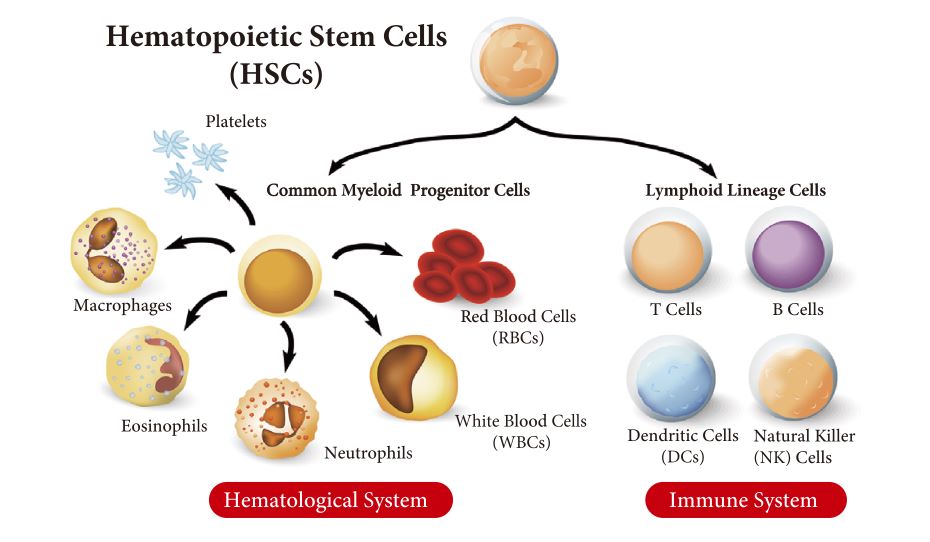
Hematopoietic Stem Cells (HSCs)
Hematopoietic Stem Cells are the “factories” of the human blood and immune systems. Newborn umbilical cord blood is rich in HSCs, capable of producing healthy blood cells and immune cells. Clinically, HSCs are widely used in the treatment of blood, immune, and metabolic disorders.

Mesenchymal Stem Cells (MSCs)
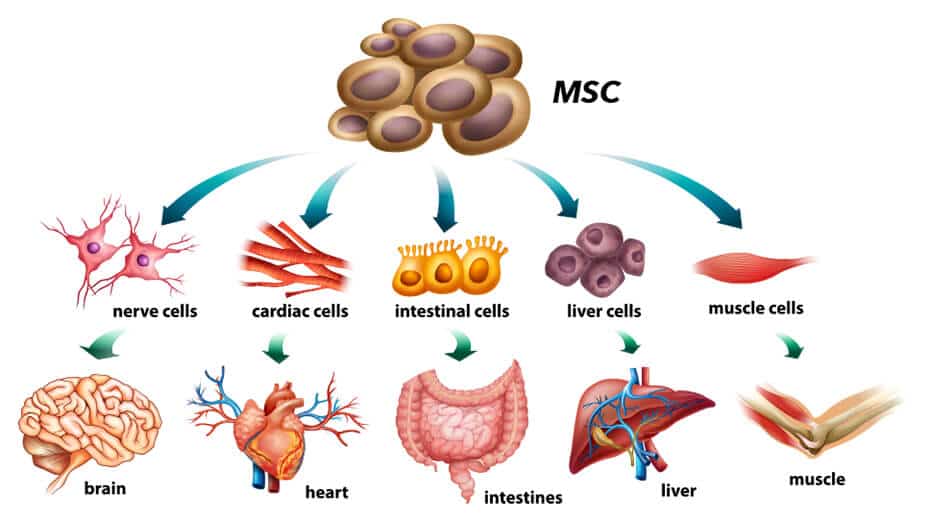
Mesenchymal Stem Cells possess strong proliferative and multi-lineage differentiation abilities. They can develop into specialized cells such as bone, nerve, and muscle. Clinically, MSCs are primarily applied in the regeneration and repair of cells, nerves, and tissues, making them a key material for future regenerative medicine applications.
Baby’s Precious Gift
– Newborn Stem Cells One-time storage,
lifelong protection
- Pure and highly active source: Newborn stem cells are among the most pristine and potent stem cell resources.
- Safe and non-invasive collection: Immediately after birth, stem cells can be collected from cord blood, amniotic membrane, umbilical cord, placenta, and amniotic fluid—without any risk or invasive procedures.
- A once-in-a-lifetime treasure: This unique gift from your baby can safeguard not only their own health but also the well-being of the entire family throughout life.

Hematopoietic Stem Cells (HSCs) from Umbilical cord blood
Hematopoietic Stem Cells (HSCs) from Umbilical cord blood

Mesenchymal Stem Cells (MSCs) from Umbilical cord tissue
Mesenchymal Stem Cells (MSCs) from Umbilical cord tissue
Mesenchymal Stem Cells (MSCs) from amniotic fluid tissue
Mesenchymal Stem Cells (MSCs) from amniotic fluid tissue
Mesenchymal Stem Cells (MSCs) from placenta tissue
Mesenchymal Stem Cells (MSCs) from placenta tissue

Mesenchymal Stem Cells (MSCs) from amniotic fluid
Mesenchymal Stem Cells (MSCs) from amniotic fluid
Cord Blood – Protecting Children’s Growth
Global experience: Since 1988, there have been more than 40,000 cord blood transplant cases worldwide.
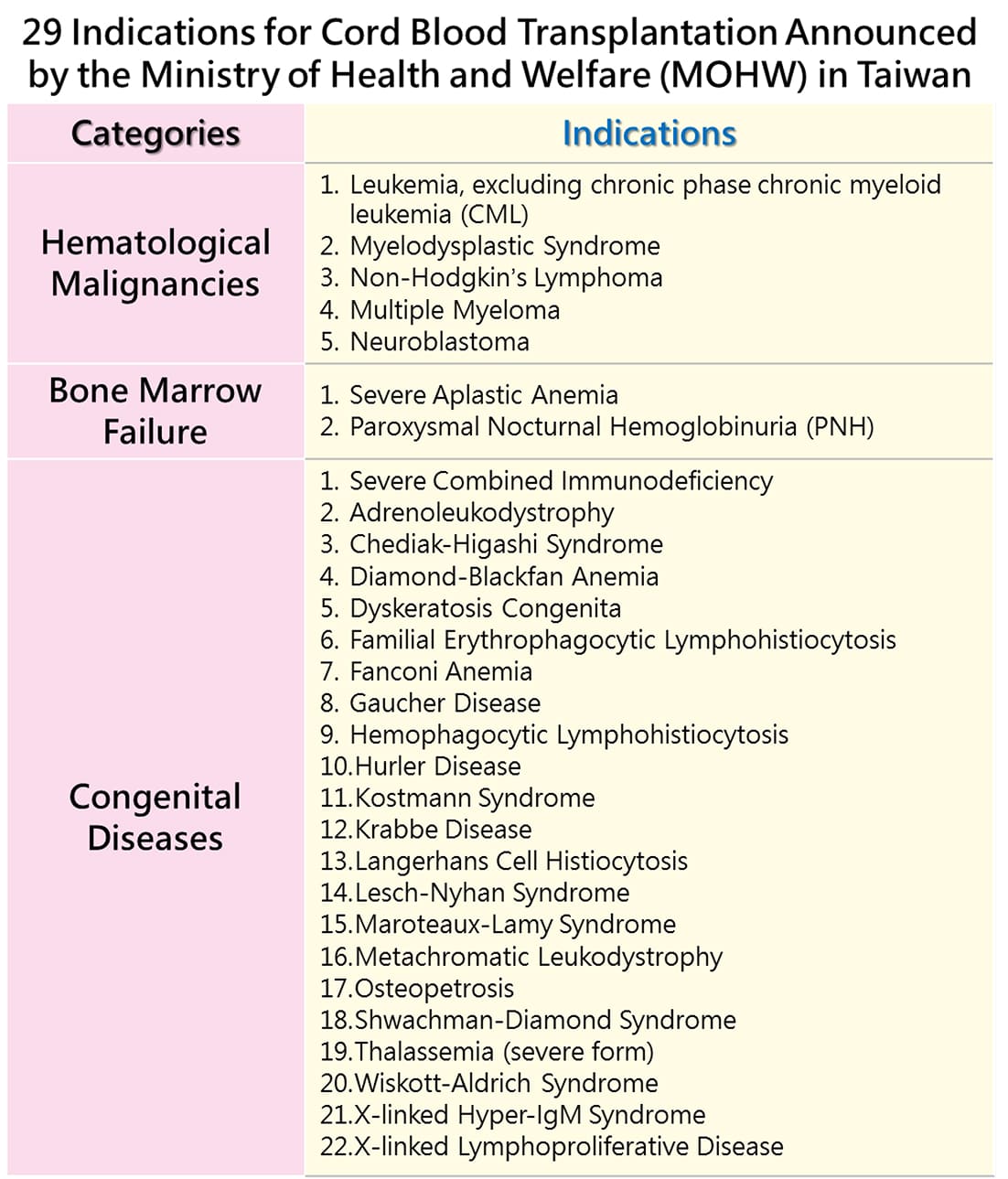
Approved treatments in Taiwan: The Ministry of Health and Welfare (MOHW) has authorized cord blood use in 29 indications, including blood, immune, malignant tumor, and metabolic disorders.
Critical resource for childhood diseases:
Four common pediatric cancers – leukemia, brain tumors, malignant lymphoma, and neuroblastoma – have documented successful cord blood transplant cases both domestically and internationally.
Neurological conditions such as cerebral palsy, autism, and brain injury : At Duke University Medical Center, Dr. Joanne Kurtzberg has conducted pioneering clinical studies showing encouraging results. Children demonstrated significant improvements in symptom assessments, and safety trials confirmed that cord blood infusion is highly safe and well tolerated.
40,000
Global Transplant Cases
29
Approved Disease Treatments in Taiwan
4
Major Pediatric Cancers
Neurological Potential
Mesenchymal Stem Cells – A Vital Resource in Regenerative Medicine
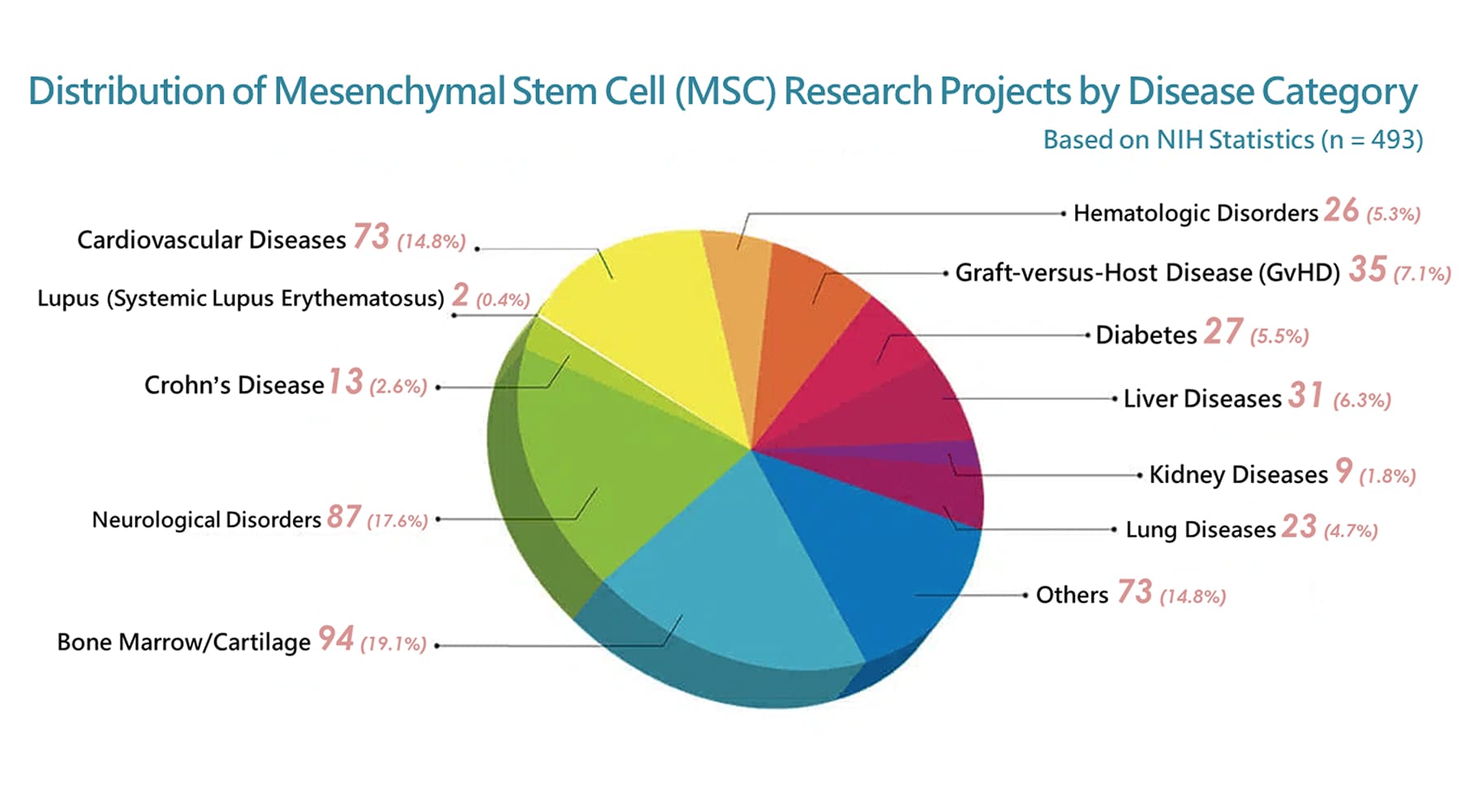
According to statistics from the U.S. National Institutes of Health (NIH), the number of clinical studies involving mesenchymal stem cells has grown significantly—from 109 cases in 2010 to more than 493 cases today. This remarkable growth highlights the immense potential of mesenchymal stem cells in future medical applications.
Clinically, mesenchymal stem cells are primarily used to repair damaged or diseased cells and tissues in organs. Applications include type 1 diabetes, corneal injury, spinal cord injury, liver cirrhosis, stroke, Alzheimer’s disease, malignant tumors, Parkinson’s disease, and more.
Research has confirmed that newborn umbilical cord, amniotic membrane, and placenta contain mesenchymal stem cells of the highest quality and activity. Preserving them at birth provides a precious medical resource that can safeguard the health of the entire family in the years to come.
衛福部公告臍帶血移植的29項適應症
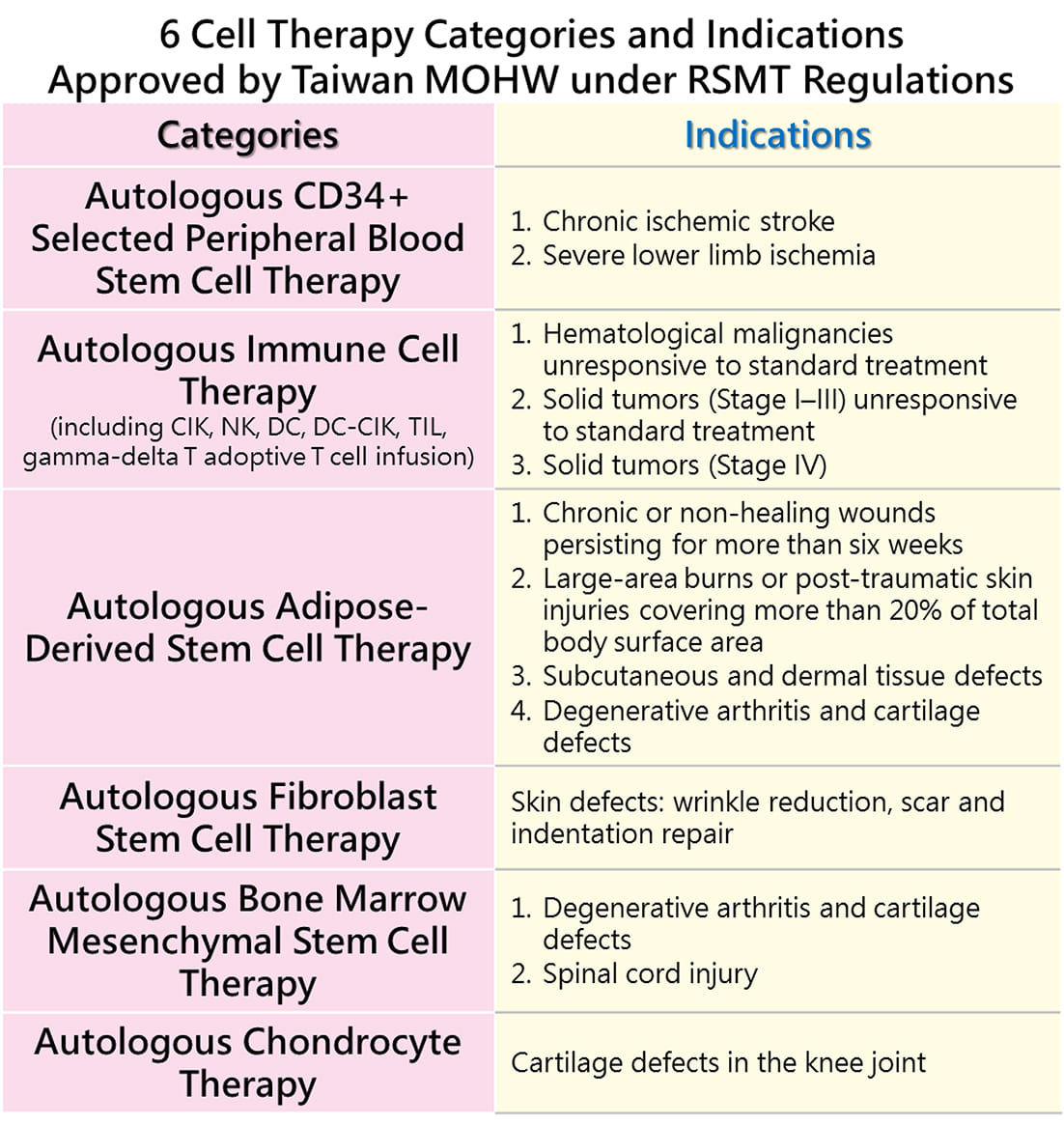
衛福部公告6大項細胞治療項目及適應症
Preserve Precious Newborn Stem Cells – A Key Decision to Safeguard Your Child
Did you know? Many common childhood conditions such as cerebral palsy, brain injury, autism, and cancer are often only discovered after birth, with thousands of new cases reported each year. Clinical studies have confirmed that stem cells can play a role in repairing these conditions. By storing your baby’s stem cells at birth, you ensure an immediately available medical resource—ready to provide timely treatment when needed most.
Newborn stem cells can only be collected once in a lifetime. Preserving this invaluable medical resource at birth is a critical decision that protects your child’s future health.
幹細胞醫療應用大未來 超出你的想像多更多
選擇一家令人安心的幹細胞保存公司,存下珍貴的新生兒幹細胞,為產前必做的重要清單之一。
了解台灣首例自存自用臍帶血治療腦性麻痺案例
【再生緣細胞生技臍帶血王小弟案例】 母親0.1秒的決定,讓孩子的一生有了新的可能性。
CONSULT
A Once-in-a-Lifetime Opportunity
Get a Free Professional Consultation Today
Leave your contact information,
and we will reach out to you as soon as possible.