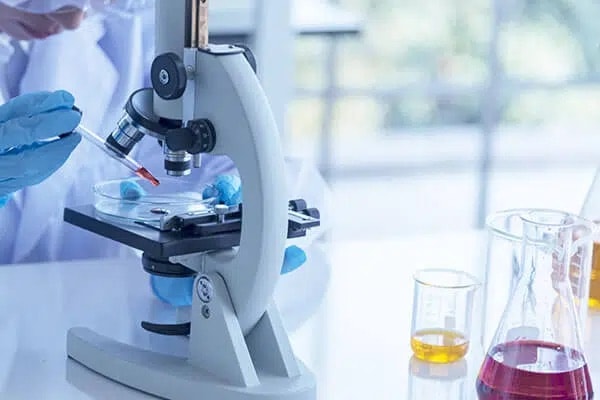
When your immune cells are too few or not active enough, you may experience issues such as skin redness, tiny bleeding spots, rashes, itching, frequent infections, or even a higher risk of cancer.

Immune Cell Detection
Cancer has ranked as the leading cause of death in Taiwan for many consecutive years. According to the Ministry of Health and Welfare, the number of cancer cases in 2020 reached 110,000! Clinical studies in Japan have shown a strong correlation between immune cell activity and cancer incidence. When immune cell activity falls below the standard level, the risk of developing cancer or infectious diseases increases significantly.
Is Your Immune System Healthy?
Think about it—have you recently experienced any of the following symptoms? If so, your body may be in a “sub-health” state, and your immune system could already be sending out warning signals!
Frequent Colds or Infections

01
Slow-Healing Wounds

02
Constant Fatigue

03
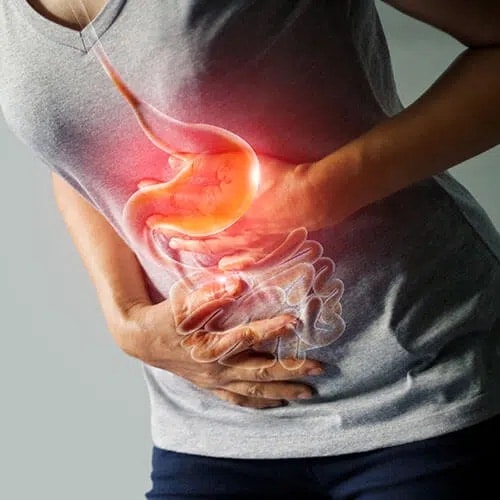
Digestive Discomfort
04
Immune Cell Insights
Immune cells are your body’s frontline defense team. They block viruses and bacteria, eliminate aging or abnormal cells, and keep you healthy.
Their three key functions include:
01

Protect
Block viruses and bacteria before they invade.
02

Renew
Clear away aging and damaged cells to keep your body fresh.
03

Defend
Detect and eliminate mutated or virus-infected cells.
Boost Your Immunity, Live Stronger.
What are the types of immune cells ?
| Type | Function |
|---|---|
| Natural Killer Cells (NK) | The reconnaissance unit of immune cells. Broad anti-cancer effects, neutralizing bacteria, viruses, and infected abnormal cells. |
| T Cells | The special forces of immune cells. Play a crucial role in immune responses. |
| Cytotoxic T Cells | Can directly kill abnormal cells. |
| Helper T Cells | Can activate other immune cells. |
| γδ T Cells | Mainly located in the intestines; can recognize abnormal cells and independently eliminate cancer cells. |
| Regulatory T Cells | Maintain immune system stability and prevent uncontrolled immune responses. |
| B Cells | The missiles of immune cells. Secrete antibodies to clear pathogens and can initiate immune responses. |
| Phagocytes | Include macrophages and neutrophils; can engulf foreign microorganisms. |
| Dendritic Cells (DC) | Direct the body’s immune system functions and initiate immune responses. |
Why Consider an Immune Cell Test?
An immune cell test checks the types, numbers, and activity of your immune cells. This gives you a clear picture of how strong your immune system is and helps you create a personalized plan to boost your immunity. It’s an important step in preventing cancer and other immune-related conditions early.
If you often feel tired or get sick easily, immune cell testing can also provide practical advice to improve your quality of life and serve as a helpful reference for future medical visits.
NK Cell Activity = A Key Marker for Cancer Prevention
A complete immune cell test should include:
- Immune cell subgroup analysis
- NK cell activity testing
The NK cell activity test simulates how your natural killer cells fight cancer cells. It shows whether your NK cells are strong enough to destroy abnormal cells, making it a crucial marker for accurate cancer prevention.
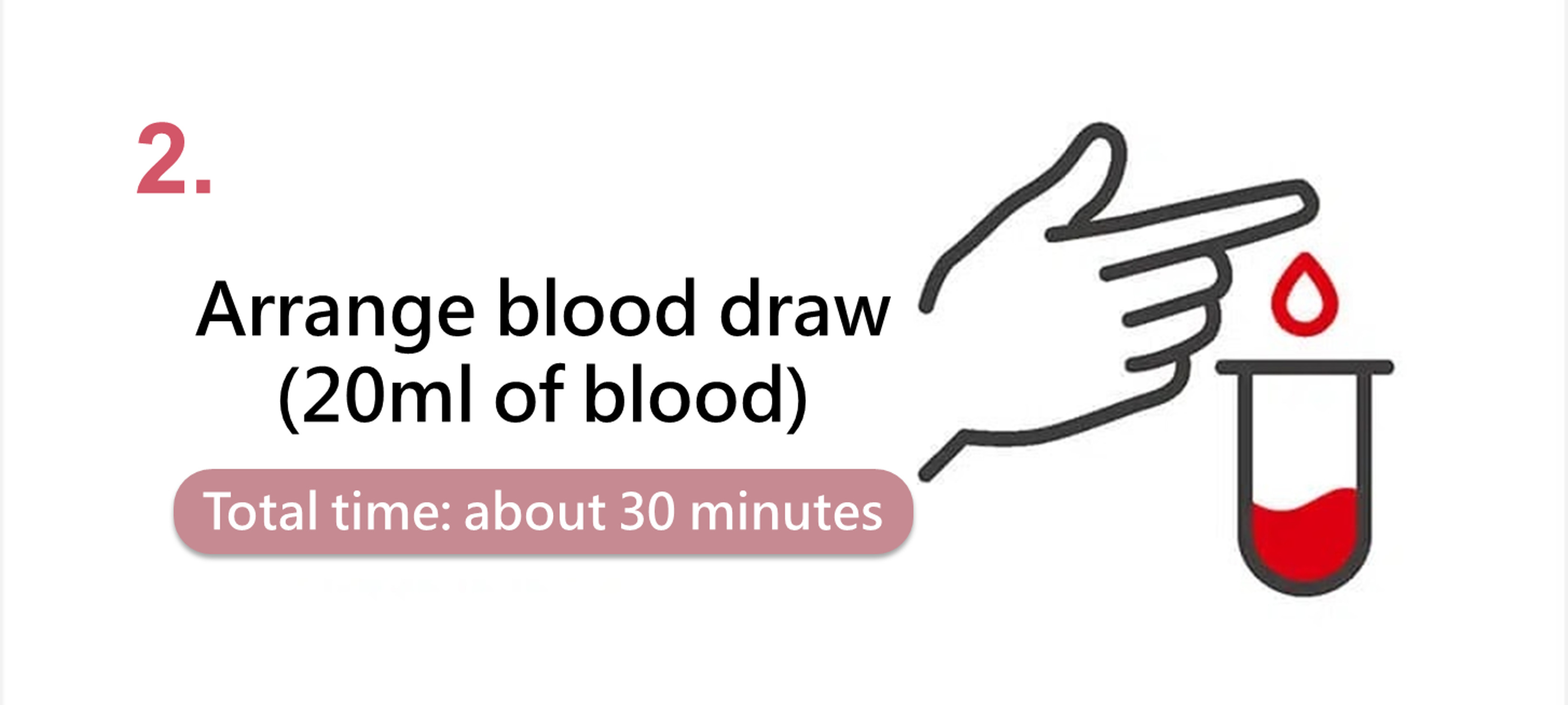
Immune Cell Testing Process
Preserve Your Immune Power Today, Protect Your Health Tomorrow
Everyday life exposes us to countless carcinogens, environmental hormones, and emerging infectious diseases. Scientists agree: the strength and vitality of your immune cells will determine how well you can fight off future illnesses.
But immune cells don’t stay strong forever. Age, disease, and environmental stress gradually weaken their activity. By storing your immune cells while they are still young and healthy, you secure a powerful medical resource—ready to support you whenever immune therapies are needed.
Invest in your future health. Safeguard your immune cells now, and keep your body’s natural defense at its best.
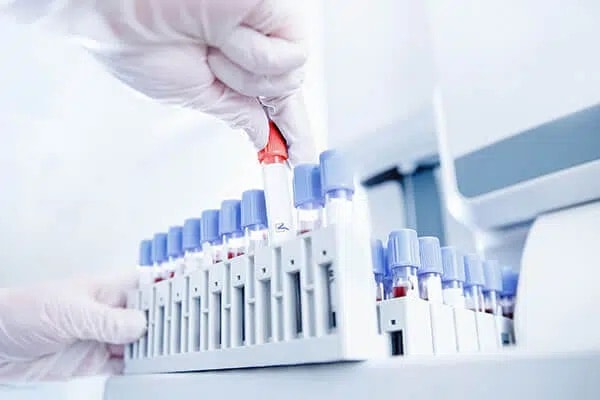
Immune Cell Storage Process
01

Contract Signing
Sign an immune cell storage agreement.
02

Blood Collection
Draw a blood sample.
03

Separation & Processing
Send the blood to the laboratory for separation, processing, and testing.
04

Storage
Cells that meet storage standards are preserved in the facility.
Immune Cell Therapy: Empowering Your Body’s Natural Defense
Imagine your own immune cells becoming stronger, more active, and ready to fight back against disease. Immune cell therapy makes this possible—by extracting your body’s immune cells, cultivating and enhancing them, and reinfusing them to restore vitality. The result: a reinforced immune system with the power to combat illness and target cancer cells.
For cancer patients, immune cell therapy offers more than hope—it provides support. It helps repair the immune system weakened by radiation or chemotherapy, working alongside conventional treatments to maintain strength and resilience. With this therapy, patients can better endure the journey of cancer treatment while keeping their natural defenses at their best.
SUPERCELL Strengthen your immunity. Protect your life.